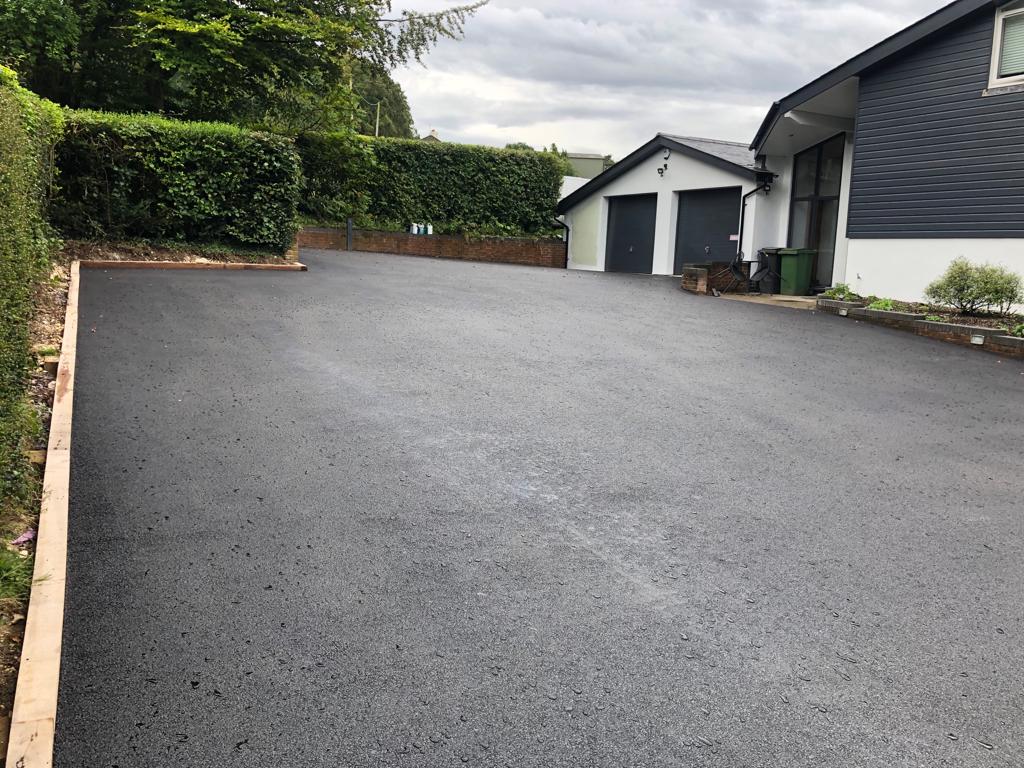
Asphalt is known for its durability, flexibility, and long service life, making it a popular choice for driveways, roads, car parks, and commercial access areas. However, even a well-laid asphalt surface can begin to crack prematurely if certain underlying issues are not addressed. Understanding what causes early cracking can help property owners in Mudge, NSW, protect their investment and maintain a safe, reliable surface for years to come.
At Mudge Road Tek, every asphalt project is completed with careful attention to site preparation, drainage, and construction techniques to maximise long-term performance.
Poor Foundation Preparation
One of the most common causes of premature asphalt cracking is an unstable foundation. The asphalt surface relies on the strength of the base beneath it, and if that base is not properly prepared or compacted, movement can occur over time.
Problems associated with poor foundation preparation include:
- Uneven settlement of the pavement
- Surface movement under traffic
- Cracks forming as the asphalt flexes excessively
- Reduced overall pavement lifespan
A properly constructed foundation provides the stability needed to support the asphalt under everyday use.
Water Penetration
Water is one of the greatest threats to any asphalt surface. Once moisture enters through small cracks or weak points, it can soften the underlying base and reduce its ability to support the pavement.
This often results in:
- Surface cracking
- Pothole formation
- Base instability
- Premature pavement deterioration
In Mudge, ensuring effective drainage is essential for protecting asphalt from water-related damage.
Heavy Traffic Beyond the Surface Design
Every asphalt surface is designed to accommodate a particular level of traffic. When vehicles that exceed the intended load regularly use the pavement, additional stress is placed on the asphalt and the supporting base.
This can lead to:
- Fatigue cracking
- Surface deformation
- Rutting in wheel paths
- Accelerated wear and tear
Matching the pavement design to the expected traffic conditions is an important part of achieving long-lasting performance.
Natural Ageing and Weather Exposure
Over time, asphalt is exposed to sunlight, changing temperatures, and the natural ageing process. As the bitumen binder gradually oxidises, the surface becomes less flexible and more susceptible to cracking.
Environmental factors that contribute to ageing include:
- Extended exposure to ultraviolet sunlight
- Repeated heating and cooling cycles
- Dry weather conditions
- General weathering over many years
While ageing cannot be prevented entirely, quality materials and professional installation help slow the process.
Inadequate Drainage
Drainage affects far more than surface appearance. If water is allowed to pool on the pavement or penetrate beneath it, the supporting layers can weaken and lose their load-bearing capacity.
Proper drainage helps to:
- Direct water away from the surface
- Protect the pavement foundation
- Reduce moisture-related movement
- Minimise the risk of cracking and potholes
Professional grading and drainage design are essential components of a durable asphalt surface.
Delayed Maintenance
Small cracks may appear over time as part of normal pavement ageing. If these minor issues are left unattended, water and debris can enter the pavement structure, allowing the damage to spread.
Routine maintenance helps:
- Seal minor cracks before they expand
- Preserve the structural integrity of the pavement
- Reduce the likelihood of larger repairs
- Extend the service life of the asphalt
Regular inspections allow small problems to be addressed before they become significant.
The Value of Professional Installation
Many cases of premature cracking can be traced back to poor workmanship or inadequate site preparation. Professional contractors assess soil conditions, drainage requirements, traffic loads, and pavement thickness before construction begins.
This ensures:
- A properly prepared foundation
- Suitable asphalt thickness for the application
- Effective compaction throughout the project
- Long-term pavement stability and durability
Taking the time to complete every stage correctly helps prevent many of the issues that lead to early cracking.
Conclusion
Premature asphalt cracking is often caused by factors beneath the surface rather than the asphalt itself. Poor foundation preparation, water penetration, inadequate drainage, excessive traffic loads, environmental exposure, and delayed maintenance can all shorten the lifespan of a pavement if they are not properly addressed.
For property owners and businesses in Mudge, NSW, Mudge Road Tek provides asphalt and bitumen surfacing solutions built on quality preparation, professional workmanship, and long-term performance. If your asphalt surface is showing signs of cracking or you are planning a new project, seeking professional advice is a practical way to ensure your pavement remains durable, reliable, and fit for purpose for many years to come.
Call us on: 02 5301 9087
Click here to find out more about Mudge Road Tek
Click here to complete our contact form and see how we can help with your Asphalt and Bitumen Surfacing needs.