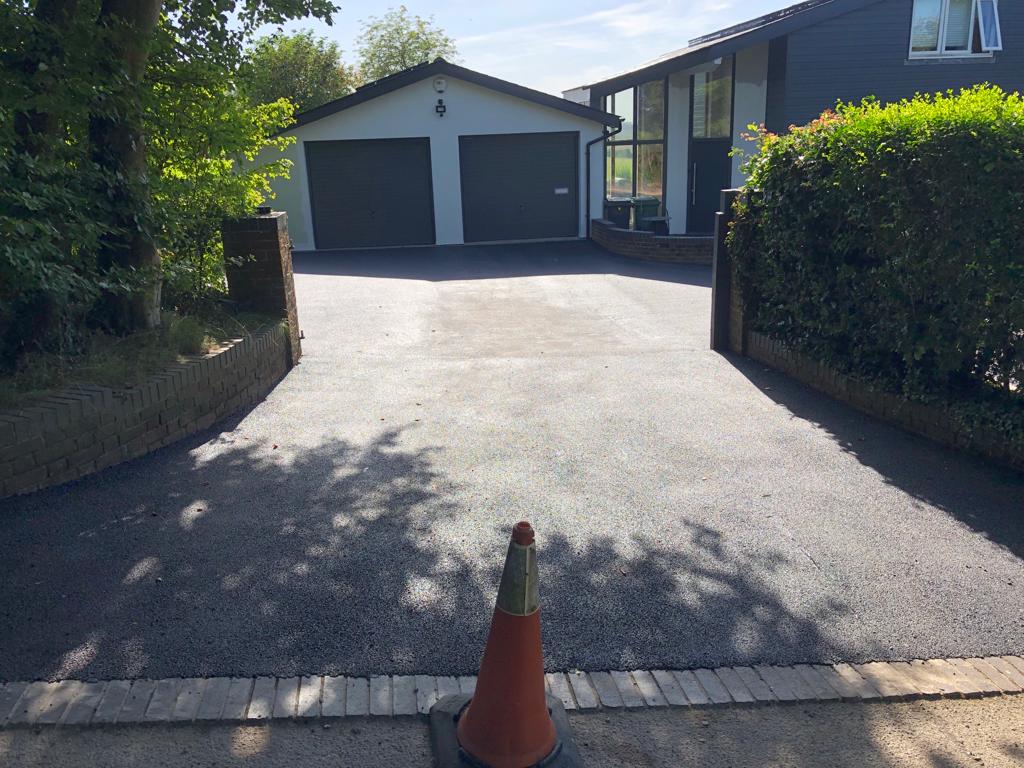
A road that was once smooth, stable and dependable can gradually begin showing signs of wear. Loose aggregate, surface cracking, potholes and uneven sections can make everyday vehicle access increasingly difficult. While these problems may initially appear minor, continued traffic and exposure to rainfall can cause deterioration to spread if the underlying issues are not addressed.
For roads and access surfaces in Mudge, NSW, spray and seal bitumen may provide an effective solution where the existing pavement remains structurally suitable or can be restored through appropriate preparation. This surfacing method creates a protective wearing layer that helps reduce direct traffic wear and water penetration while providing a more consistent surface for vehicle movements.
However, not every deteriorating road is immediately suitable for resealing. Understanding the condition of the existing pavement is essential before deciding whether spray and seal is the right treatment.
What Are the Early Signs That a Road Is Deteriorating?
Road deterioration rarely happens all at once. In many cases, the first warning signs appear gradually, giving property owners an opportunity to arrange maintenance before larger sections become affected.
Common signs include:
- Loose aggregate appearing across the surface
- Small cracks beginning to develop
- Potholes forming in regular wheel paths
- Increasing surface roughness
- Water collecting in depressions
- Wheel ruts becoming more noticeable
- Road edges beginning to break away
- Previous repairs deteriorating
- Surface material becoming displaced by traffic
These problems can occur on both sealed and unsealed roads, although the causes and appropriate treatments may differ.
Identifying the type and extent of deterioration helps determine whether spray and seal, localised repairs or more extensive pavement preparation is appropriate.
Why Do Road Surfaces Begin to Break Down?
Road deterioration can result from several interacting factors.
Regular vehicle movements place repeated loads on the pavement. Over time, these loads can contribute to wear, particularly where vehicles frequently follow the same wheel paths.
Rainfall can also affect pavement performance. If water enters cracks or collects in low sections, it may weaken the supporting material underneath.
Other contributing factors can include:
- Ageing of the existing wearing surface
- Inadequate drainage
- Loss of pavement material
- Weak or poorly compacted supporting layers
- Repeated heavy vehicle movements
- Existing potholes and cracks
- Erosion along pavement edges
Understanding these causes is important because applying a new surface treatment without addressing existing weaknesses may allow deterioration to continue.
What Is Spray & Seal Bitumen?
Spray and seal is a surfacing method that involves applying bituminous binder to a properly prepared pavement, followed by a layer of selected aggregate.
The aggregate is rolled into the binder to create a textured, sealed wearing surface.
Depending on the pavement requirements, the treatment may involve additional applications of binder and aggregate.
Spray and seal is commonly considered for roads, driveways and access surfaces where a suitable pavement base is already present or can be properly prepared.
Its primary purpose is to provide a protective wearing layer rather than replace the structural support of the pavement underneath.
How Can Spray & Seal Improve a Deteriorating Road?
When the supporting pavement remains stable, spray and seal can provide several practical benefits.
Protecting the Pavement from Direct Traffic Wear
On an unsealed road, vehicle tyres continually disturb loose pavement material.
Aggregate can become displaced, fine particles may be lost and wheel paths can gradually deteriorate.
Spray and seal creates a bound wearing surface over the prepared pavement, reducing direct contact between vehicle tyres and loose road material.
This can help maintain a more consistent surface for regular vehicle access.
Reducing Water Penetration
Water is one of the factors that can contribute to pavement deterioration.
A properly applied bitumen seal helps limit direct rainfall penetration through the treated surface.
This can reduce unnecessary moisture exposure within the supporting pavement, provided that existing defects and drainage problems have been addressed.
Providing a More Consistent Driving Surface
A properly prepared and sealed road can provide more predictable vehicle access than a heavily worn unsealed surface.
Loose material, dust and minor surface irregularities can be reduced through suitable preparation and sealing.
However, the quality of the finished surface depends on the condition and profile of the pavement underneath.
Can Spray & Seal Be Applied Over an Existing Road?
Spray and seal can be applied to suitable existing pavements, but the road must first be assessed.
A road with general surface wear may be a candidate for resealing if the supporting layers remain stable.
An unsealed road may also be suitable for spray and seal after appropriate grading, base preparation and compaction.
However, a road containing significant potholes, deep ruts or unstable sections will require additional attention before sealing.
Spray and seal should not be used simply to cover existing structural problems.
When Is Resealing an Existing Bitumen Road Appropriate?
An existing bitumen-sealed road may benefit from resealing when the wearing surface has deteriorated but the supporting pavement remains serviceable.
Signs that resealing may be worth considering include:
- Increasing aggregate loss
- General surface wear
- A noticeably aged wearing layer
- Isolated surface defects
- Reduced consistency across the road
Before resealing, the contractor should assess the condition of the existing seal, identify any failed areas and determine whether repairs are necessary.
Where deterioration remains largely confined to the wearing surface, resealing may help renew the road and protect the pavement underneath.
What If the Road Has Potholes?
Potholes require particular attention before spray and seal is applied.
A pothole indicates that material has already broken away from the pavement. In some cases, the supporting layers underneath may also have deteriorated.
Simply covering a pothole with bitumen and aggregate does not restore the missing pavement structure.
Professional preparation may involve:
- Assessing the extent of the damaged area.
- Removing loose or failed material.
- Checking the stability of the supporting pavement.
- Rebuilding the affected section where necessary.
- Compacting the repair material.
- Restoring the appropriate road profile.
Once the failed areas have been repaired and the pavement is stable, spray and seal may be considered as part of the final surface treatment.
Why Grading May Be Necessary Before Spray & Seal
Existing unsealed roads can develop corrugations, wheel ruts and uneven sections through regular traffic.
These defects affect both vehicle movement and drainage.
Professional grading can help reshape the road, redistribute suitable pavement material and establish a more consistent profile.
However, grading alone may not be sufficient where substantial material has been lost or the underlying pavement has become unstable.
Additional suitable material and compaction may be required before the road is ready for sealing.
The objective is to establish a stable foundation that can support the finished bitumen surface.
Drainage Must Be Corrected Before Sealing
Effective drainage is essential for reliable road performance.
If rainfall regularly collects in depressions or remains trapped along wheel paths, water can eventually affect the pavement underneath.
Spray and seal can help reduce direct water penetration, but it cannot compensate for an incorrectly shaped road.
Before sealing, attention should be given to:
- Surface levels
- Low sections
- Wheel ruts
- Pavement edges
- Existing drainage paths
- Areas where water repeatedly collects
A properly prepared road should encourage rainfall to move away from the traffic area rather than remain on the surface.
Can Spray & Seal Help Reduce Dust and Loose Aggregate?
For suitable unsealed roads, one of the noticeable benefits of spray and seal is the reduction of loose surface material.
Unsealed pavements are directly exposed to vehicle tyres. Regular traffic can displace aggregate and disturb fine particles, particularly in frequently travelled areas.
Applying a bitumen seal over a properly prepared pavement creates a bound wearing surface.
This can reduce dust generation and limit the movement of loose road material during normal vehicle use.
For roads that experience regular traffic, these improvements can make access more consistent and easier to maintain.
Is Spray & Seal Suitable for Frequently Used Roads?
Spray and seal can be suitable for roads experiencing regular traffic, provided that the pavement structure and surfacing treatment are appropriate for the expected loads.
The important consideration is not simply how frequently the road is used, but what types of vehicles travel across it and how they move.
Factors include:
- Vehicle weight
- Traffic frequency
- Turning and braking movements
- Existing pavement strength
- Road profile
- Drainage
- Condition of the supporting material
A road used predominantly by light vehicles may have different construction requirements from one regularly carrying heavier commercial traffic.
Professional assessment helps determine whether spray and seal is suitable for the intended application.
When Might Spray & Seal Not Be Enough?
Spray and seal is not the correct solution for every deteriorating road.
If the pavement contains widespread structural cracking, significant settlement, deep rutting or recurring potholes caused by weak supporting material, more extensive work may be necessary.
These problems can indicate that the pavement underneath the wearing surface is no longer providing adequate support.
Applying another seal without addressing these conditions may leave the original causes unresolved.
In these circumstances, the contractor may recommend additional base repairs, pavement reconstruction or a different surfacing approach.
The appropriate treatment should be selected according to the road’s actual condition.
How Does Spray & Seal Compare with Asphalt Resurfacing?
Spray and seal and asphalt are different surfacing methods.
Spray and seal involves applying bituminous binder and aggregate directly onto a prepared pavement to create a textured wearing surface.
Asphalt consists of aggregate and bituminous binder mixed before being laid and compacted into a comparatively dense surface.
Both methods can provide effective road surfacing when used in suitable applications.
The choice depends on factors such as traffic requirements, pavement condition, expected surface characteristics and the preparation needed.
A professional contractor can determine which treatment is appropriate rather than assuming one solution suits every road.
Why Professional Preparation Makes a Difference
The performance of spray and seal depends heavily on the pavement beneath it.
Even a correctly applied surface treatment may deteriorate prematurely if the supporting pavement is unstable, poorly compacted or affected by drainage problems.
Professional preparation can include:
- Assessing existing pavement condition
- Identifying weak or failed sections
- Repairing potholes
- Grading the road
- Restoring appropriate levels
- Improving drainage where required
- Installing additional pavement material
- Compacting the prepared surface
These stages help establish the conditions required for a dependable finished seal.
The value of professional surfacing lies in completing the necessary preparation rather than focusing only on the final application of bitumen and aggregate.
How Can You Tell Whether Your Road Needs Attention Now?
A road does not necessarily need to become severely damaged before maintenance is considered.
Early assessment may be worthwhile when:
- Potholes are increasing in number
- Loose aggregate is becoming more noticeable
- Cracks are spreading
- The surface is becoming progressively rougher
- Water regularly collects after rainfall
- Previous repairs are failing
- Wheel ruts are becoming deeper
- Larger sections are beginning to deteriorate
These changes can indicate that the road is moving beyond ordinary surface wear.
Assessing the pavement at this stage may provide more options for maintaining the existing road before extensive deterioration develops.
Professional Spray & Seal Surfacing in Mudge, NSW
Restoring a deteriorating road requires an understanding of both the visible surface and the supporting pavement underneath.
Mudge Road Tek provides professional asphalt and bitumen surfacing services in Mudge, NSW, with attention to pavement preparation, drainage, existing defects and the suitability of different surfacing treatments.
Whether an existing road requires pothole repairs, grading, resealing or more extensive preparation, assessing its condition before work begins helps identify the most appropriate approach.
Conclusion
A deteriorating road can show several warning signs, including cracking, loose aggregate, potholes, uneven sections and poor drainage. These problems should be assessed before they develop into more extensive pavement failure.
Spray and seal bitumen can be an effective solution where the existing pavement remains stable or can be restored through appropriate preparation. It provides a protective wearing surface, helps reduce direct traffic wear and limits unnecessary water penetration.
However, spray and seal cannot correct significant structural weaknesses on its own. Potholes, unstable sections, drainage problems and substantial surface deformation may need to be addressed before sealing is undertaken.
For roads and access surfaces in Mudge, NSW, Mudge Road Tek can assess existing pavement conditions and recommend whether spray and seal, asphalt resurfacing or additional pavement preparation is appropriate. Choosing the right treatment at the right stage can help preserve serviceable road surfaces and maintain dependable vehicle access.
Call us on: 02 5301 9087
Click here to find out more about Mudge Road Tek
Click here to complete our contact form and see how we can help with your Asphalt and Bitumen Surfacing needs.